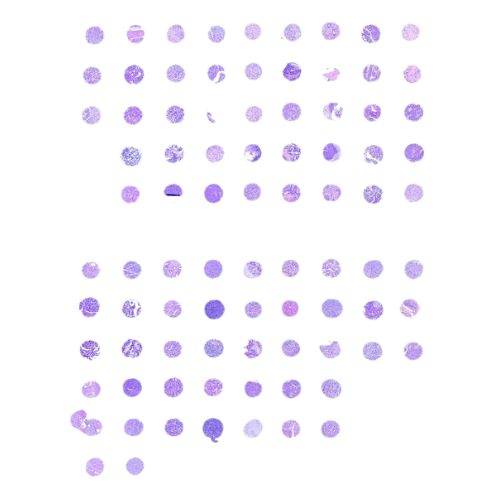
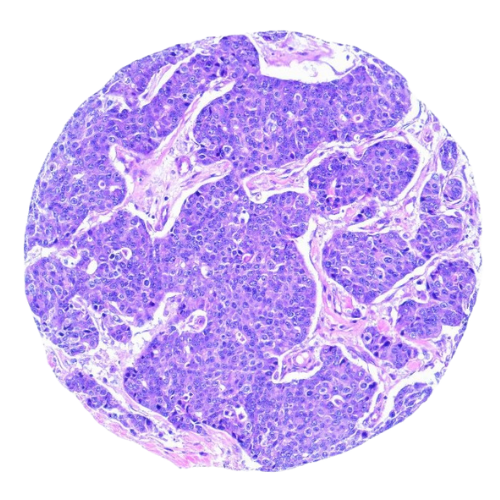
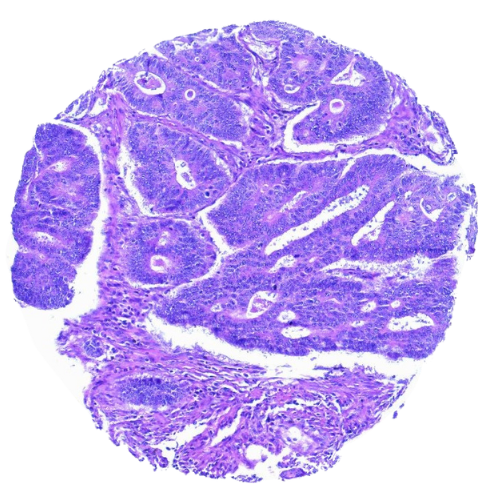
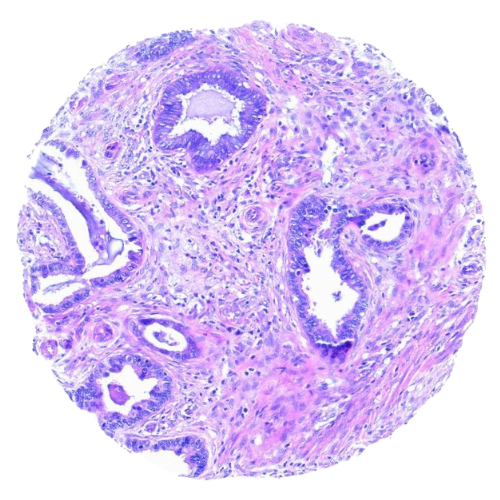
Mixed Tumour Tissue Microarray (83 cases) – TMX008

MYmAb Biologics provides tissue microarray (TMA) solutions for high-throughput cancer research, biomarker discovery, and drug development. Our TMAs consolidate multiple tissue cores into a single block, enabling cost-effective, standardised analysis of proteins, DNA, and RNA across hundreds of samples. Researchers rely on MYmAb Biologics for tissue conservation, reproducibility, and scalable molecular studies that support precision medicine and targeted therapy development.

This Mixed Tumour Tissue Microarray (83 cases) – TMX008 comes with:

  • 83 cases/ 86 cores, comprising samples from 19 tissue types, with corresponding pathology diagnoses and TNM grading data provided
  • Core diameter: 0.6 mm
  • Thickness: 4 µm

WhatsApp Us or fill in the Contact Us form to get a quote for Mixed Tumour Tissue Microarray (83 cases) – TMX008.

Mixed Tumour Tissue Microarray for Cancer Research

Tissue microarrays (TMAs) are powerful research tools that allow the analysis of hundreds of tissue specimens on a single slide. By integrating multiple tissue cores into one paraffin block, researchers can efficiently study expression profiles and morphological changes across different patient samples under standardized conditions. Our mixed tumour TMA (TMX008) integrates up to 19 tissue types within a single panel, offers a unique advantage for large-scale investigations into disease progression, molecular subtypes, and potential therapeutic targets.

Mixed tumour TMA are widely applied in immunohistochemistry (IHC) and hematoxylin and eosin (H&E) staining. IHC allows researchers to detect specific protein markers within tumour cells or the surrounding microenvironment, while H&E staining provides critical insights into tissue architecture and cellular abnormalities. Together, these techniques form the backbone of histopathological and biomarker analysis in cancer study.

Breast
Cecum
Cervix
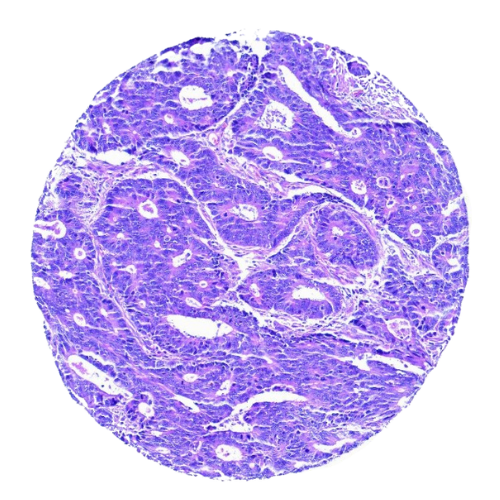
Colon
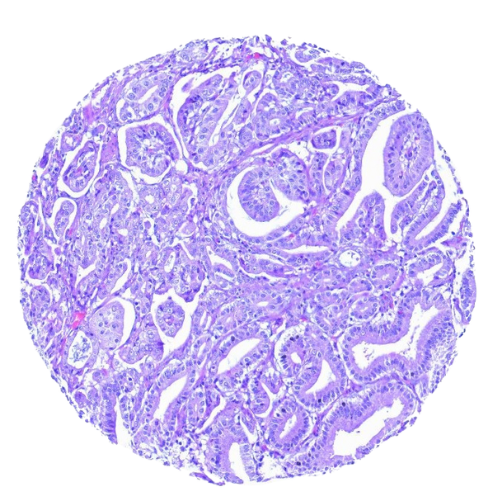
Duodenum
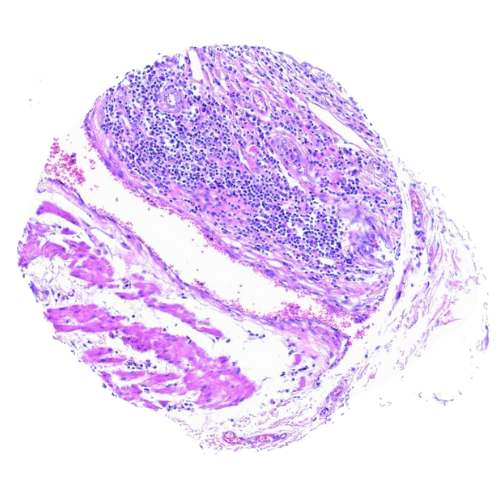
Esophagus
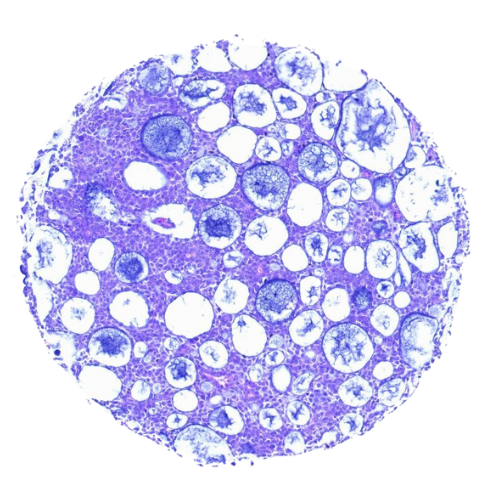
Head and Neck
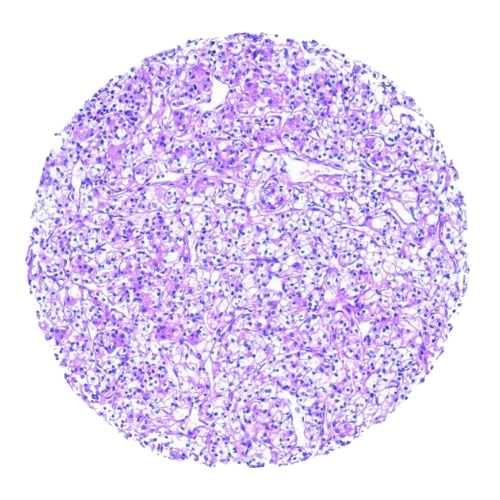
Kidney
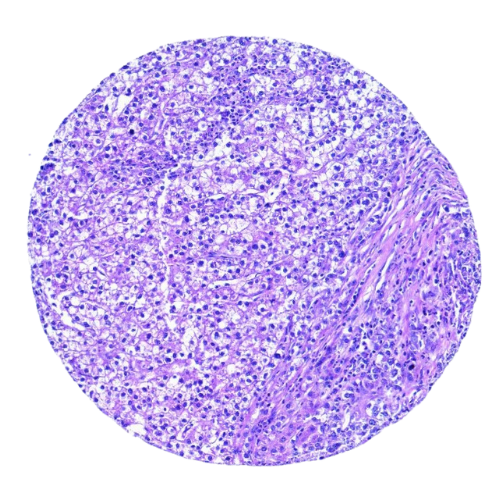
Liver
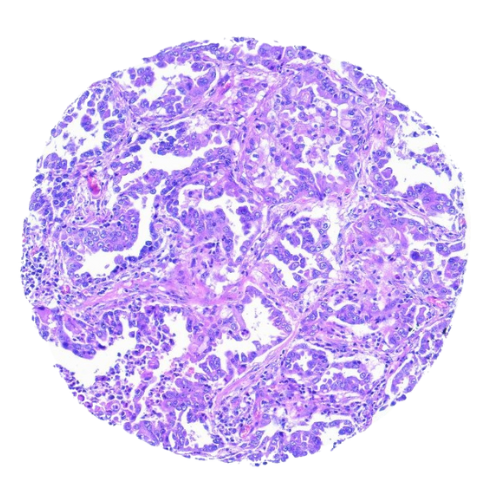
Lung
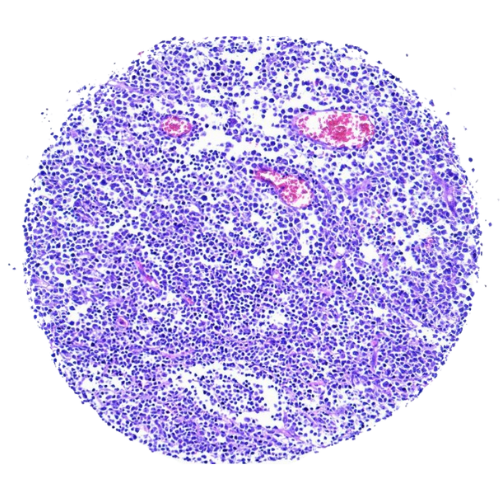
Lymphoma
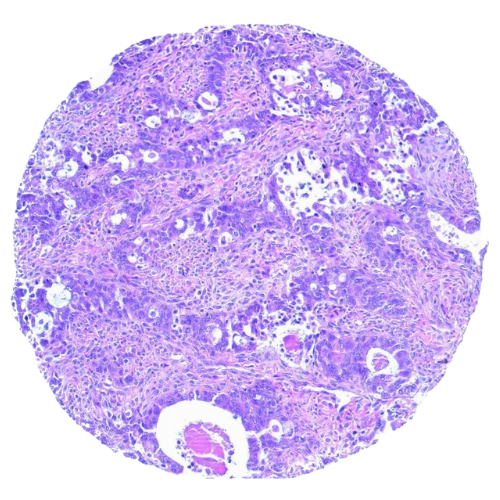
Ovary
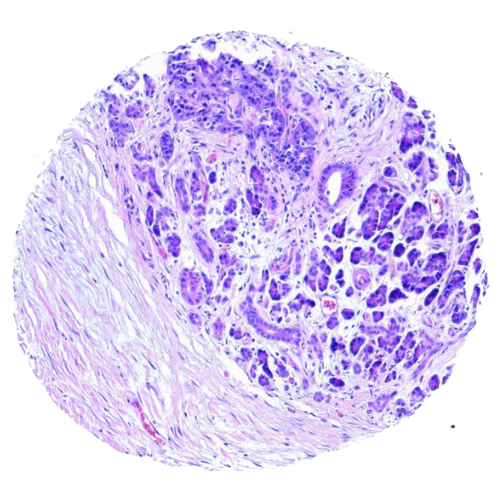
Pancreas
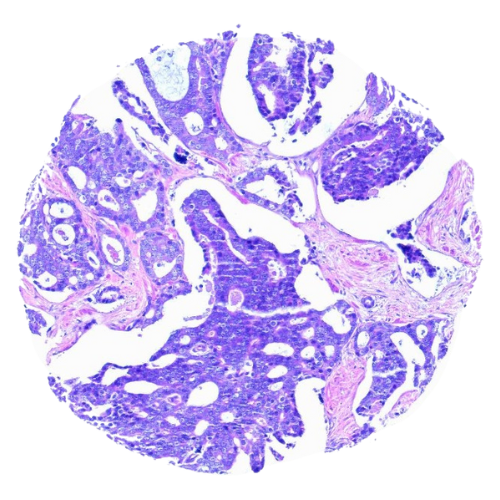
Prostate
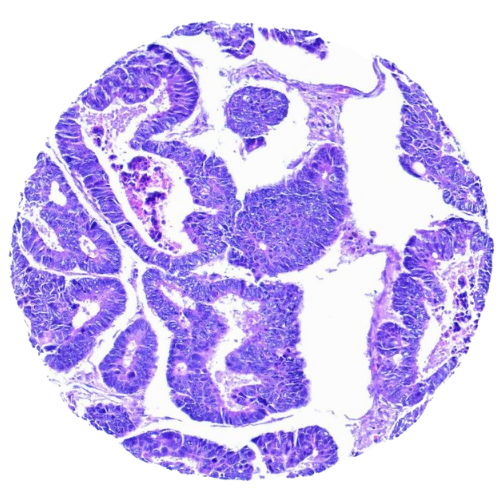
Rectum
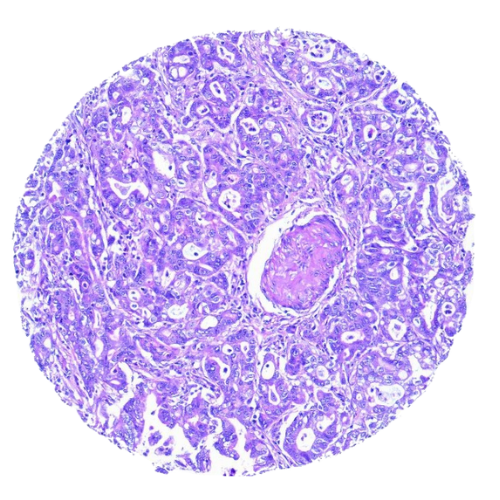
Stomach
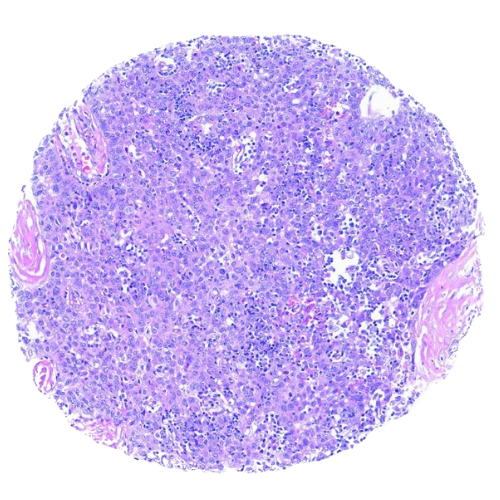
Thymus
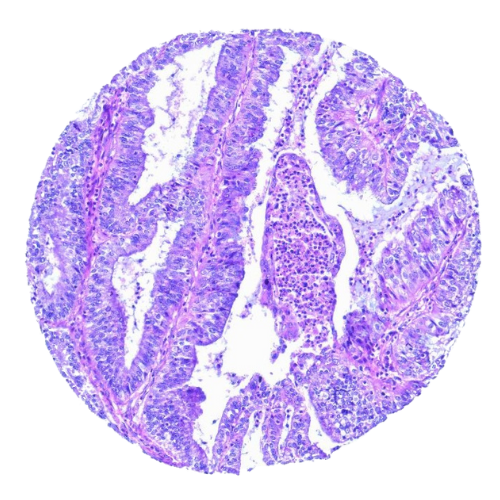
Uterus
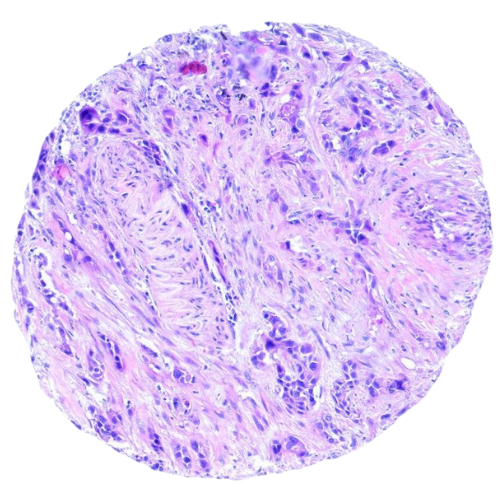
Bladder

Role of Tissue Microarrays in TME Research

Tissue microarrays have transformed how researchers explore the tumour microenvironment (TME). They enable high-throughput analysis of multiple tissue samples simultaneously, making them essential for identifying biomarkers, conducting immune profiling, and performing spatial analysis. TMAs allow researchers to map immune cell infiltration, tumour heterogeneity, and stromal interactions across a broad cohort. Because human-derived TMAs preserve spatial organization, they provide a more accurate representation of the TME compared to animal models. This accelerates the validation of predictive biomarkers and improves the understanding of therapy response, ultimately pushing forward the development of personalised cancer treatment strategies.

Why Choose MYmAb Biologics' Tissue Microarray Over Others

What sets MYmAb Biologics apart is more than just technical quality. It’s the depth and relevance of our source material:

We also offer services such as:

Staining Services

High quality H&E and IHC staining services with fast turnaround time and competitive pricing.

IHC Staining Training

Comprehensive 2-day staining training workshop with certification of completion.

Scanning & Storage Services

Scanning service that allows researchers to view slides on the monitor and storing of virtual slides.

Contact Our Team

Location:
Block D-G-8, UPM-MTDC Technology Centre III, Universiti Putra Malaysia, 43400 Serdang, Selangor Darul Ehsan, Malaysia.

Phone:
03-8938 9819

Email:
info.mymab@gmail.com

Contact us form
Product code

TMX008

Cases

83

Row number

9

Column number

12

Core diameter (mm)

0.6

Thickness

4μm

Tissue array type

FFPE

Species

Human

Application

– Immunohistochemistry
– In situ hybridization
– Fluorescent in situ hybridization
– Terminal deoxynucleotidyl transferase dUTP nick-end labeling (TUNEL) analysis
– In situ polymerase chain reaction (in situ PCR)

Notes

– Storage temperature: 4°C
– Shipping temperature: Ambient